The Art of Preserving Family Legacies: How to Capture Your Story for Future Generations
Explore ways to document personal and family histories that can be passed down.
In a world like that of ours, accelerating to the speed of light, we forget to halt and take a moment to remember the little things in life. We are extremely busy with all these experiences, relationships, and stories that shape who we are, but time keeps moving and those memories fade. Protecting a family heirloom isn't just an emotional exercise. Just to make sure your story lives on for generations to come. Then we will effectively record these histories and pass them on to future generations. How can I go? Let's take a look at the art of preserving family heirlooms.
Why Family Legacy Preservation Matters
Every family has its own story, a collection of experiences that will shape its members over the course of years. These stories can range from tales of resilience, love, joy, and even wisdom. However, if not taken proactively, they can quickly disappear into the void of time.
Preserving your family history is much like building a bridge over not only the past but also the present and bridges you into the future generations. It will help you understand where you came from, ascertains your roots, and provides them with a more profound sense of identity. But beyond that, preserving family stories offers inspiration, comfort, and learning for those that come after.
1. Start with a Conversation
The easiest and most common way to get family history is talking with your relatives. Even the most casual conversations usually involve the most significant stories. You can begin by sitting down with the older members of your household and asking open-ended questions about their childhood, important events in life, or favorite memories. These are some questions to start with:
- What was your childhood like?
- How did you meet your wife?
- What is the biggest challenge you have overcome to date?
- What are you most proud of?
Have these conversations feel organic-for example, like you're just reminiscing.
Often, people feel more comfortable speaking when they are not in an interview. Record those conversations using a smartphone or digital recorder to capture their voices and stories for generations to come.
2. Create a Family Memory Book
A memory book is an eternal way of narrating the family history. It can be as simple or as elaborate as you may envision. Start with a collection of old photos, letters, and memorabilia. Arrange them chronologically and place captions or anecdotes or written comments next to the images for this to come alive.
Make each member of the family contribute, sharing favorite memories, recipes, or even personal reflections. This collaborative effort not only documents the family history but also brings to life a treasured keepsake for the years and even for generations.
3. Leverage Technology
The digital age has never made it so easy to preserve family legacies. Technology provides multiple ways of documenting and storing memories:
Digital journaling with family members: Encourage the family member to write about daily life and events that happened and what they learn from it.
Video and audio recordings: Record a video interview with your family member or create an audio diary where your family member shares stories and advises their descendants.
Cloud Storage: This would utilize cloud-based platforms for the safe storage of photos, videos, and other important documents of your family. You can organize these files through Google Drive or Dropbox and share them with family members so that they are accessible for years in the future.
Digital Time Capsules Make a digital time capsule with messages, photos, and videos to be opened years down the road. It's a great way to shock future generations about your life.
4. Collect Family Recipes
Food often lies at the heart of gatherings within the family, and family recipes that have been passed down through the generations are full of history. Create a family cookbook with such popular recipes, as well as stories surrounding how they originated or were enjoyed in the years to come. Add photographs of the dishes prepared and even include handwritten notes from family members for an extra personal touch.
This easy practice not only maintains the best culinary traditions, but it is also a way of remembering a loved one who may no longer be with you through the food they loved.
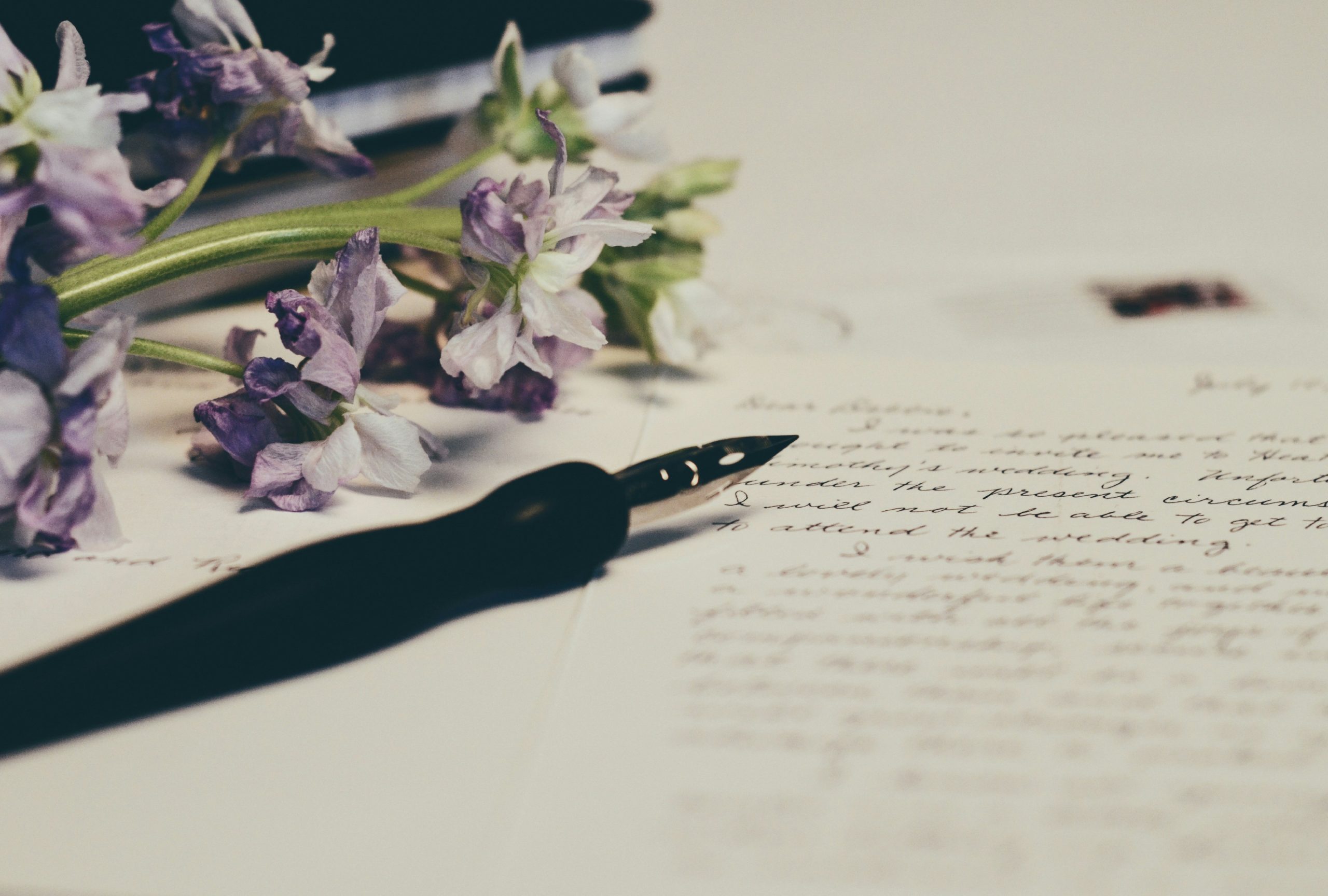
5. Write Legacy Letters
A letter of legacy, or an ethical will, is a message from the heart : you tell your loved ones what is valuable to you, share your beliefs and life lessons and hopes for their future. A legacy letter is not like a legal will when it speaks of material possessions; this is more about transcending the wisdom and love.
Writing a legacy letter is one of the deepest personal practices and therapy. It reminds of what life has been and shares lessons learned in one's lifetime. Whether it's advice on how to take care of challenges, thoughts on love, or maybe wishes for loved ones, a legacy letter is a treasured keepsake.
6. Family Tree Creation
A family tree represents your lineage in visual form. It is a very effective communication tool so that the generations which come next will understand your heritage. One can even go on the various online sites such as Ancestry.com and MyHeritage to trace back one's roots.
To bring it all together further, add family tree stories, photos, and biographies of your ancestors. This is depth beyond names and dates - bringing to life people who've come before you.
7. Encourage Family Storytelling
Storytelling is one of the oldest methods of our ancient history. Ask family members to write down their stories, use podcasts, or record video messages. Make this a family tradition: have gatherings during holidays or reunions and share stories. You will be surprised how much you can learn of each other and how these stories can make the bonds between family members stronger.
Conclusion: Leaving a Legacy That Lasts
The best thing you can give your future generation is to preserve your family legacy. But it's not only what those stories are-it's the relationship and sense of belonging they bring along. By creating experiences, values, and traditions from your own life, you're building timelessness in treasures through which your descendants can understand where they came from and hold a piece of you with them.
Preserving a family legacy is a never ending journey. You can begin anytime because, in the attempt that you make to capture these memories in any form, it will be loved and cherished. Remember that your story matters-and needs to be told.