The Psychological Benefits of Memorialization: How honoring loved ones can aid in healing

Creating a digital memorial for a loved one is not only helpful in preserving their memory and life story, but a beneficial way to process grief.
Dealing with the loss of a family member or friend is difficult for everyone, but memorialization is proven to be a key part of the healing process. Whether through a celebration of life or modern digital profile, these tributes give us closure and help us come to terms with our loss.
Every memorial creates a personal tribute to the deceased, offering comfort throughout the healing journey. This article examines how memorialization helps with emotional recovery, strengthens social bonds, and preserves memories of loved ones for the future.
What Is Memorialization?
Memorialization is the way in which we honor and remember those who have died, and is often marked by a ceremony or ritual. Commemorating the life of a deceased loved one has been seen in every culture across the world, and is known as a crucial element to the healing process.
The emotional benefits provided by rituals and memorials come from granting people a time and place to acknowledge the loss. The psychology behind why people need memorials is complex, yet research clearly suggests it helps people process grief by providing a structured way to say goodbye.
Memorialization as a Coping Mechanism
Creating a long lasting memorial is a powerful way to cope with loss. It allows individuals to externalize their grief and begin to recover. A memorial – whether a simple headstone or a personalized digital profile – is a physical reminder of the loved one and a space to remember their life.
Research shows that creating a memorial helps us find meaning in our loss. By giving us a way to reminisce, reflect and find peace throughout the grieving process. According to grief expert Dr. Alan Wolfelt, memorials help us to turn our grief into something tangible. Transforming the abstract idea of grief into something more concrete is beneficial to emotional recovery.
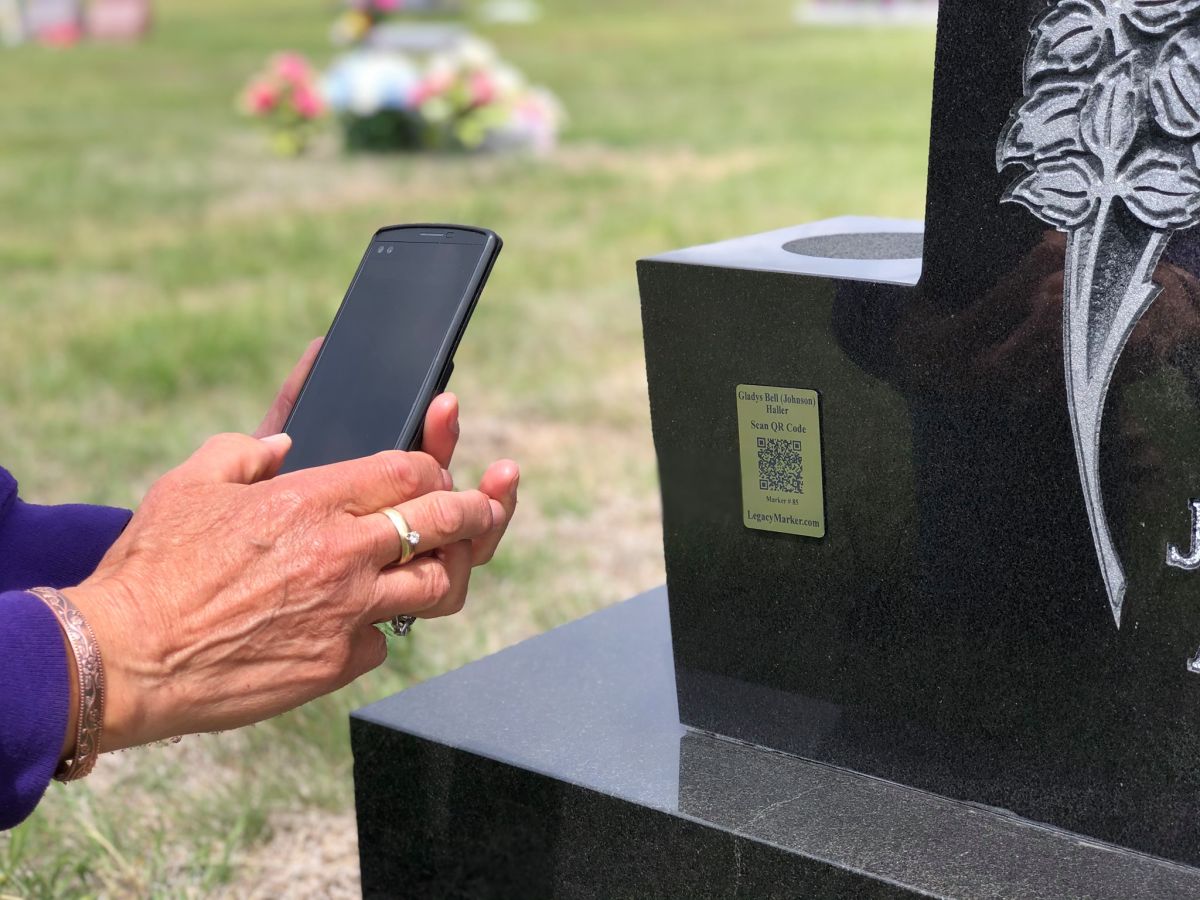
Personalized memorials like QR code headstones or digital legacies take this further by allowing for ongoing engagement with memories. These interactive tributes empower families to collect
stories, photos and videos that can be revisited long after a memorial ceremony.
Honoring Loved Ones Strengthens Social Bonds
Beyond individual healing, memorialization also serves a communal purpose. Whether through traditional gatherings at a gravesite or by sharing stories via digital tributes, memorials bring people together. Collective grieving allows families and friends to support each other, reinforcing social bonds during one of life’s most difficult times.
Research shows that social support is crucial in helping individuals cope with loss, as it can reduce symptoms of depression and loneliness. Collective memorialization helps individuals feel less isolated and strengthens the bonds between those grieving.
Modern forms of memorialization make this process even more accessible. Digital memorials allow family members, even those who are geographically distant, to contribute memories and photos online. By interacting with these tributes, loved ones can experience a sense of connection and mutual support, regardless of their location.
The Role of Memory in Healing
Memory plays a key role in the grieving process, offering comfort as one remembers positive moments shared with the deceased. Recalling cherished memories has been shown to reduce stress and anxiety related to grief. This process of reflection can be especially meaningful when memorials include digital profiles where stories, videos, and photos can be revisited.
Dr. Christopher W. Kerr, a hospice physician who studies the experiences of the dying, highlights that memories offer a crucial role in reconciling loss and finding acceptance . By engaging with these memories through memorials, individuals are able to continue through their emotional journey.
Creating a Digital Legacy: A Modern Approach to Memorialization
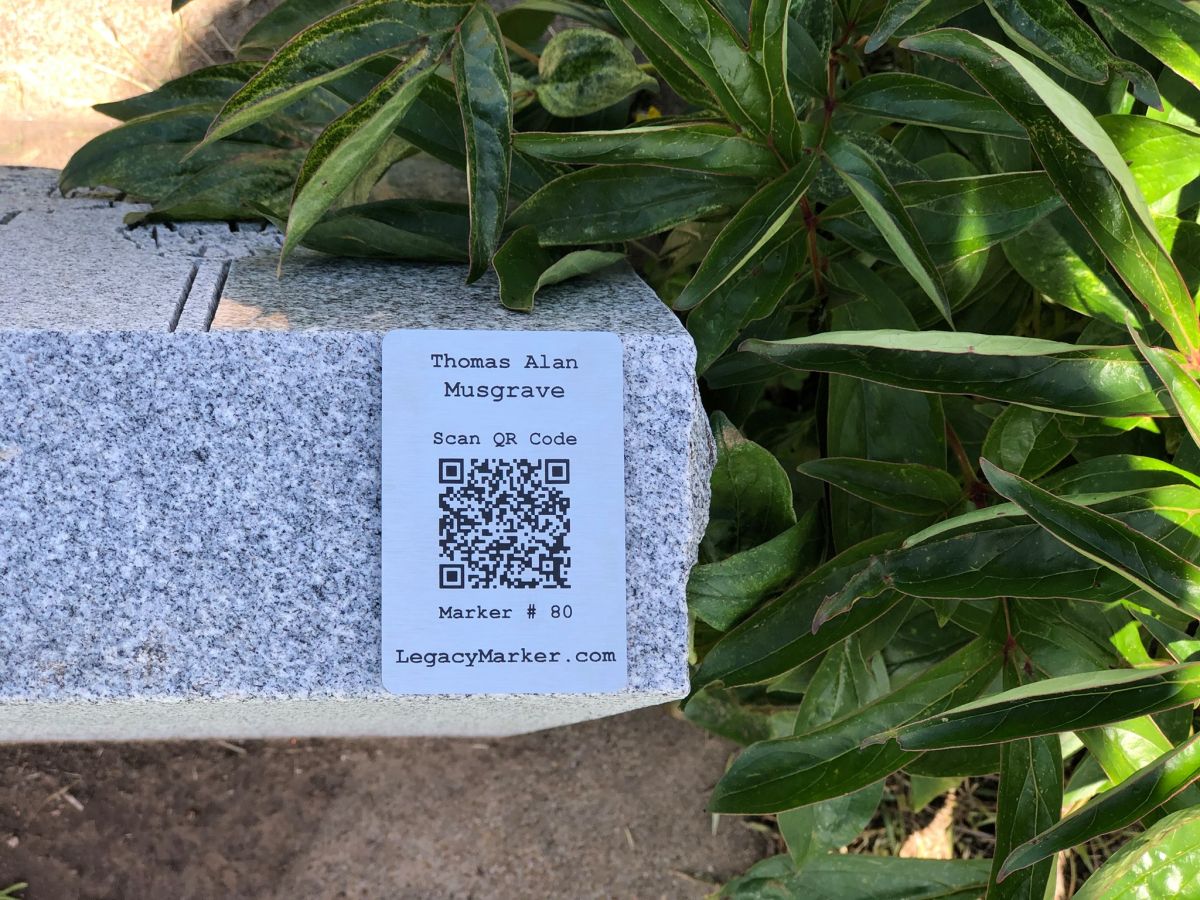
In today’s digital age, digital memorials have emerged as an evolving way to honor loved ones. QR code gravestones offer a unique way for families to preserve legacies and ensure that memories are accessible to future generations. Visitors can access an individual’s digital profile, filled with photos, videos, and stories that bring the person’s life to the forefront.
Digital spaces provide a tangible way to engage with a person’s memory. They also allow for collective contributions, meaning that with every added photo or story, the tribute grows. According to a study by the Pew Research Center, digital memorials are becoming increasingly popular as people seek new ways to remember their loved ones in a more interactive, enduring way.
The Importance of Memorialization in Healing
Memorialization offers profound psychological benefits by helping people process grief, strengthen social bonds, and preserve memories. Whether through traditional means or modern technologies like QR code gravestones and digital legacies, honoring a loved one provides comfort and aids the healing process.
Creating a lasting tribute is not only a way to remember the past but also a way to offer future generations insight into their heritage. By embracing these memorialization options, individuals can find peace in the act of remembrance, knowing that their loved one’s memory will endure.
At LegacyMarker, we offer a modern way to preserve these memories through QR code gravestones and digital profiles. Explore how our services can help you create an interactive, lasting tribute that will honor your loved one’s life for years to come.
Written by Alexis Musgrave