The Evolution of Memorial Practices: A look at how memorialization has changed over time
Throughout history, the way we memorialize and honor the deceased has been a central part of human culture.
Across civilizations and centuries, people have created unique practices to remember loved ones, from grand monuments to intimate rituals. Despite the many changes over continents and time the purpose remains the same, to preserve the memory of thosewho have passed on.
This article delves into the evolution of memorial practices, tracing their journey from ancient burial traditions to modern commemorations. By tracing this journey, we can better understand the deep-rooted human need to remember, preserve, and celebrate the lives of those we've lost.
Ancient Memorial Practices: 3,000 BCE - 500 CE Egypt
Some of the best documented memorial practices are found in the ancient tombs of Egypt. The ancient Egyptians are renowned for their extensive memorial practices, as they believed many rituals were required for the individual's souls to pass successfully into the afterlife.
People would be buried with a variety of items, some to help them pass through trials in the afterlife and others to provide them with a comfortable life after the journey. They also believed that a person continued to live in the afterlife as long as their name was remembered. This is why it was important for pharaohs to create monuments with their names engraved everywhere, so those who followed would not forget them.
The Mediterranean
In ancient Rome and Greece, remembering your ancestors was of great importance. Memorialization took the form of statues, inscriptions, and mausoleums. Wealthy families built impressive tombs, while ordinary citizens had simpler graves marked with stone or marble.
Funeral rites were also public affairs, where the memory of the deceased was preserved through speeches and ceremonies. It was believed that a proper burial was essential for the soul's peace in the afterlife, emphasizing the importance of memorial rituals.
Asia
Much like in the Mediterranean, Asian culture places high importance on remembering one's ancestors. Family ancestral shrines were common, where deceased family members were memorialized, allowing their descendants to connect to them and ask for guidance.
The Chinese Qingming Festival, which dates back more than 2,500 years, is a time when families visit gravesites, clean the tombs, and make offerings of food, incense, and paper money. These rituals are not only a way to honor the deceased but also to maintain the connection between the living and their ancestors.
Similarly, in Japan, the O-Bon festival is held to welcome the spirits of ancestors back to the world of the living. Families light lanterns, make offerings, and hold traditional dances in remembrance of the deceased. Both Qingming and O-Bon highlight the importance of remembering one's ancestor, where the dead continue to play an active role in the lives of their descendants.
The Middle Ages: 500 CE - 15th Century European Practices
The spread of Christianity during the medieval period in Europe greatly influenced memorial practices, as ensuring a souls entrance into heaven grew in importance. Burials in churchyards became common, as burying a loved one on sacred soil helped protect their soul from evil.
During this time, remembrance of the deceased was less important as a humble grave was more reflective of their religious ideals. Memorial masses and prayers were offered by the church as part of the grieving process, as people aimed to live a pious life inorder to rejoin their loved ones in the afterlife.
Native American Practices
Indigenous tribes across North America used storytelling and ceremonial dances as a means to keep the spirit of the deceased alive. Stories passed down through generations were important to preserve the memory of the individual, but also to teach important cultural values and history.
In the Pacific Northwest, communities carved totem poles to remember ancestors, with each figure on the pole representing a significant family member or event. These memorials were a way to celebrate life, keep the departed close, and ensure their legacy remained within the community.
Modern Era: 18th Century - Present Day
As the world became more interconnected, memorial practices started to blend and evolve, incorporating influences from different cultures. As globalization blended various beliefs and traditions, the core purpose of memorialization remained the same—to honor and remember those we have lost.
Day of the Dead
Mexico's Día de los Muertos is an internationally recognized holiday that blends Aztec customs with Catholicism. It occurs on the day where the Aztecs believed the barrier between the lands of the dead and the living would fade, allowing the spirits of the deceased to visit their homes and families.
A central element of this celebration are ofrendas—altars with photos, candles, marigolds, and favorite foods for the dead to enjoy during their visit. Far from somber, it's a joyful celebration filled with music, dancing, and special dishes. This vibrant tradition views death as a part of life, and not the end of it.
Digital Memorials
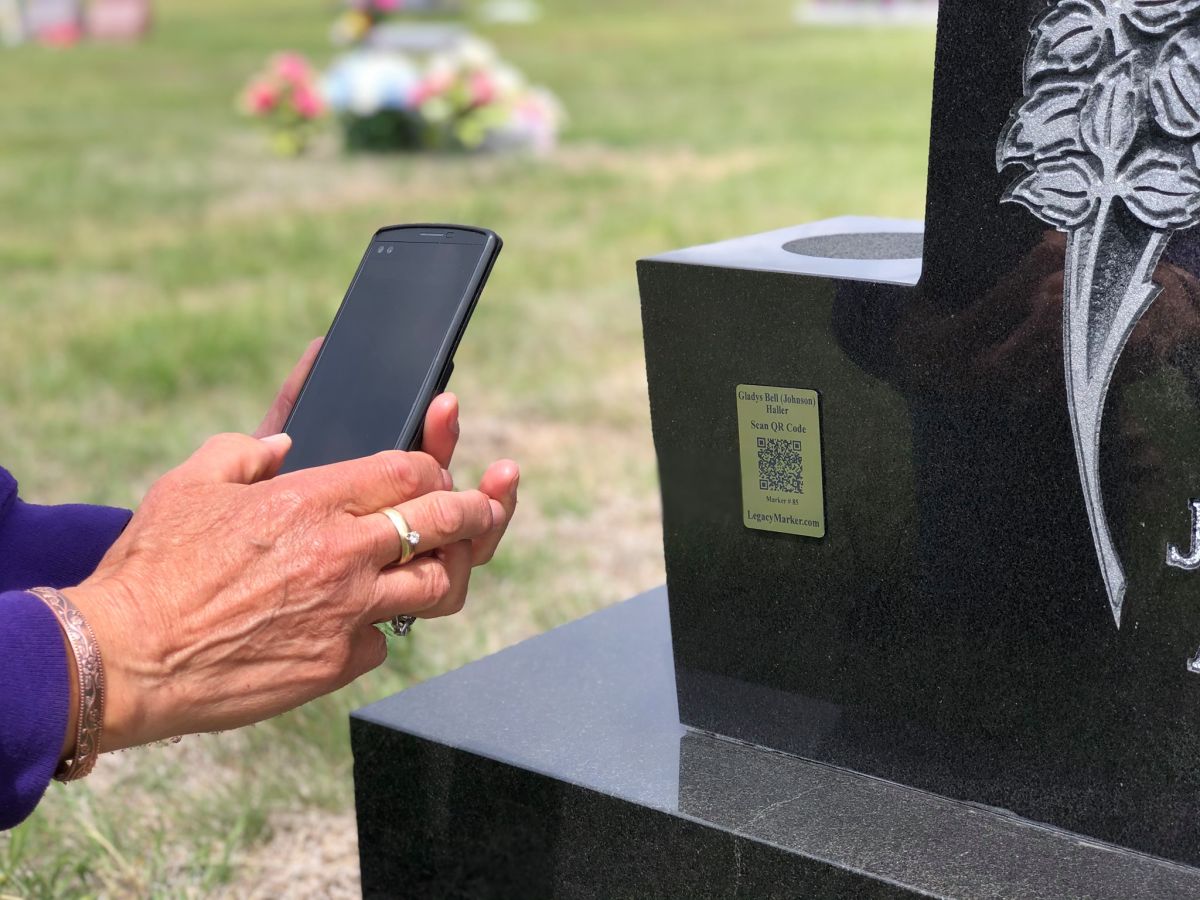
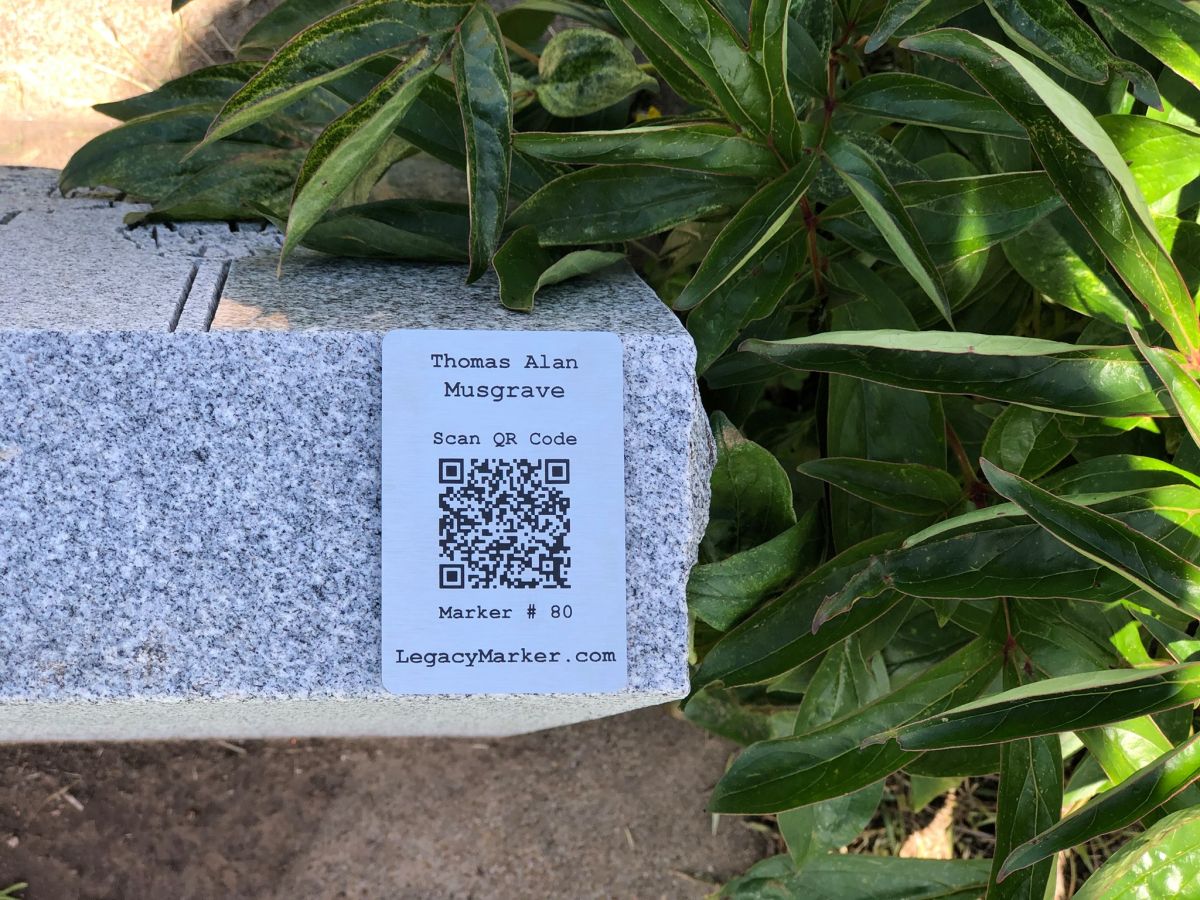
With the rise of the internet, memorialization has evolved in ways that were once unimaginable. The digital age has made it easier for people to explore and adopt memorial practices from different cultures, blending ancient traditions with contemporary approaches. Some individuals find comfort in rediscovering the customs of their ancestors. While others are drawn to modern innovations, such as creating digital memorials filled with photos, videos, and stories that offer a long-lasting way to remember a loved one's life. Whether through an online legacy, virtual memorial service, or revisiting ancestral traditions, memorializing the deceased continues to bring comfort and connection. Today, digital legacies offer a unique way to blend the traditions of the past with the technological tools of the present, allowing memories to live on in accessible enduring ways.
Written by Alexis Musgrave